How to Start a Cafe in India: Complete Setup Guide (2026)
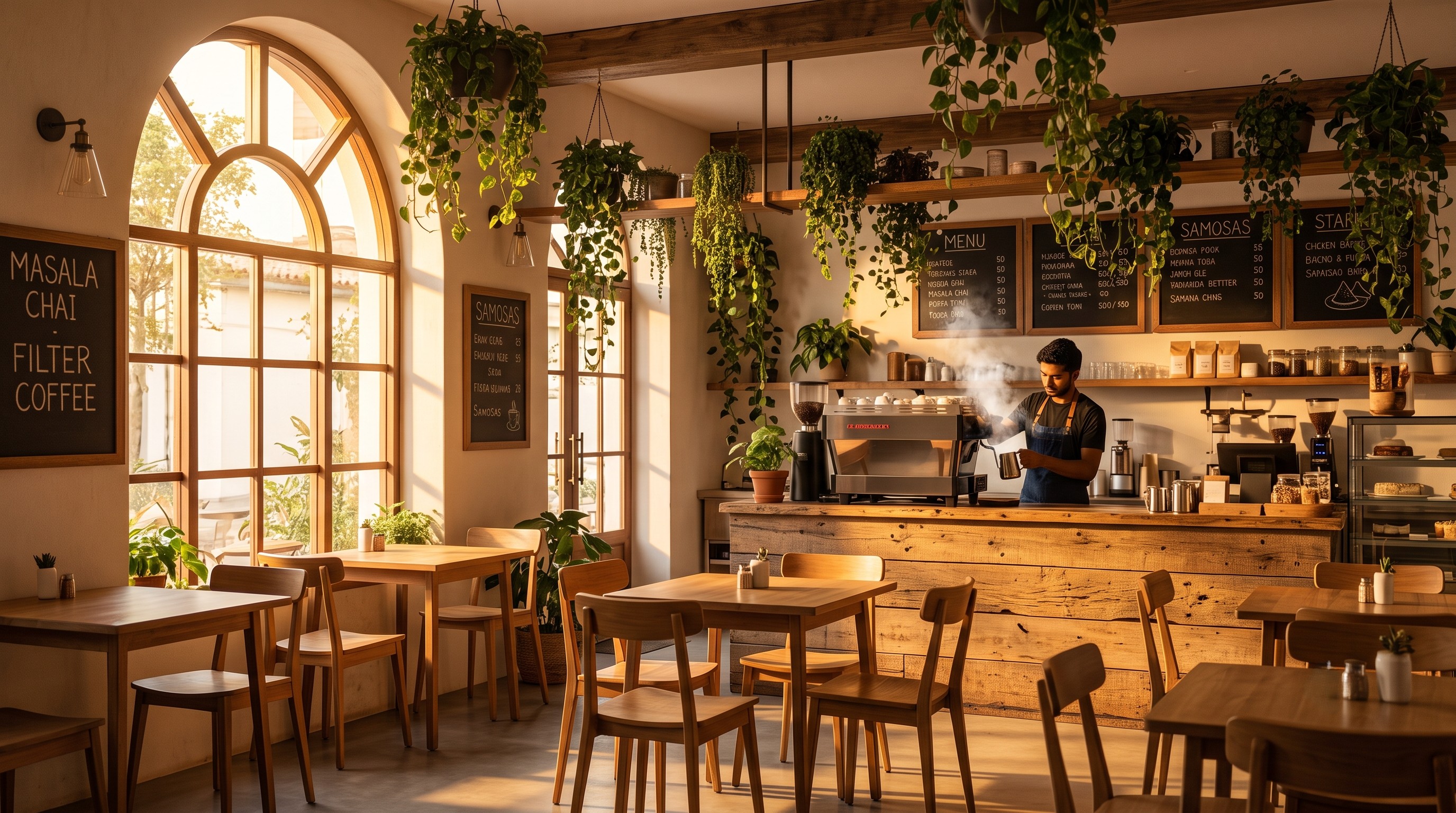
Every year, thousands of first-time entrepreneurs in India open a cafe, not a full-fledged restaurant, but a smaller, coffee-and-conversation kind of place. And that distinction matters more than most people realize. A cafe has a smaller kitchen, a beverage-heavy menu, a tighter budget, and a completely different licensing load compared to a full-service restaurant.
If you are planning to open one in 2026, here is a realistic, step-by-step guide, not the inflated "crorepati in a year" version, but what it actually takes to get the doors open and running.
What Makes a Cafe Different From a Restaurant
Before anything else, get this distinction clear, because it changes every decision downstream:
- Smaller footprint: a cafe can work in 300–800 sq ft, while a full restaurant usually needs 1,000+ sq ft
- Beverage-led menu: coffee, tea, shakes, and a small food menu (sandwiches, pastries, light bites) rather than a full multi-cuisine kitchen
- Lower kitchen complexity: no elaborate cooking line, which means lower equipment cost and fewer kitchen staff
- Ambience-driven: people come to sit, work, and talk, not just to eat. Seating comfort and Wi-Fi matter as much as the menu
Step 1: Pick a Concept and Location
Decide what kind of cafe you are, a coffee-focused specialty cafe, a study/work cafe near colleges, or a dessert-and-beverage cafe in a mall or high street. Your location should match this concept:
- Near colleges or IT parks: high footfall of students/professionals looking for a place to sit and work
- High street or market area: walk-in footfall, higher rent but better visibility
- Residential neighbourhood: lower rent, relies more on regulars and delivery
Step 2: Get Your Licenses in Order
A cafe needs fewer licenses than a full restaurant, but skipping any of these will cause problems later:
- FSSAI License: mandatory for any food business. A Basic Registration is enough if your annual turnover is under ₹12 lakh; above that, you need a State License
- GST Registration: required once turnover crosses ₹20 lakh (₹10 lakh in special category states), but most cafes register early since GST billing is expected by customers and needed for supplier input credit
- Shop & Establishment Registration: from your local municipal corporation
- Fire NOC: required in most states once seating crosses a certain limit (check local municipal rules)
- Eating House License: required in some states/cities from the local police department if you serve food for consumption on premises
Step 3: Budget the Real Numbers
For a small 400–600 sq ft cafe with 15–20 seats, a realistic budget in a tier-1/tier-2 city looks like this:
- Interiors & furniture: ₹3–5 lakh
- Espresso machine + grinder + coffee equipment: ₹1.5–4 lakh (depending on new vs. semi-commercial)
- Kitchen equipment (small kitchen, sandwich press, oven, fridge, blender): ₹1.5–2.5 lakh
- Billing/POS setup + thermal printer: ₹15,000–30,000
- Initial inventory (coffee, milk, syrups, packaging): ₹50,000–80,000
- Licenses & deposits: ₹50,000–1 lakh
- Working capital buffer (2–3 months of rent + salaries): ₹2–3 lakh
Total: roughly ₹8–15 lakh depending on city and how much of the interior you get done yourself versus through a contractor.
Step 4: Keep the Menu Small and Sharp
The biggest mistake new cafe owners make is copying a full restaurant's menu size. A cafe menu works best with 30–40 items total 6–8 signature beverages, a handful of food items you can execute consistently, and 2–3 desserts. A small, well-executed menu builds a reputation faster than a large, inconsistent one.
Step 5: Set Up Your Billing and Tech From Day One
This is the part most first-time owners underestimate. Trying to run a cafe on a notebook and a calculator works for exactly the first week, after that, order mistakes, missed GST records, and no visibility into what is actually selling start costing you money. Before opening day, make sure you have:
- GST-ready billing: every bill correctly split into CGST/SGST, so you are compliant from your very first sale
- KOT printing to the counter/kitchen: even a two-person kitchen benefits from a printed ticket instead of shouted orders
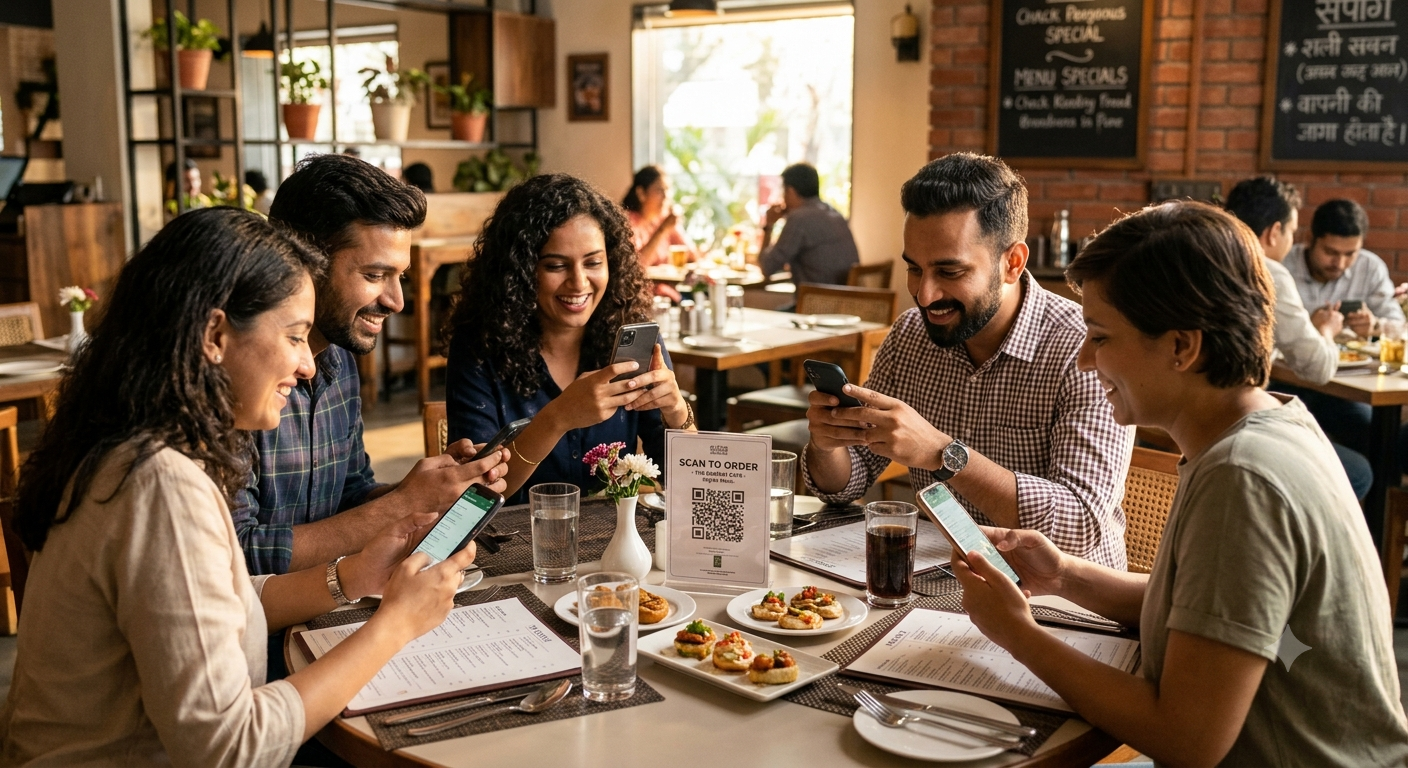
- A digital menu with QR ordering: customers scan, browse, and order from their phone, which cuts down on staff needed just to take orders during peak hours
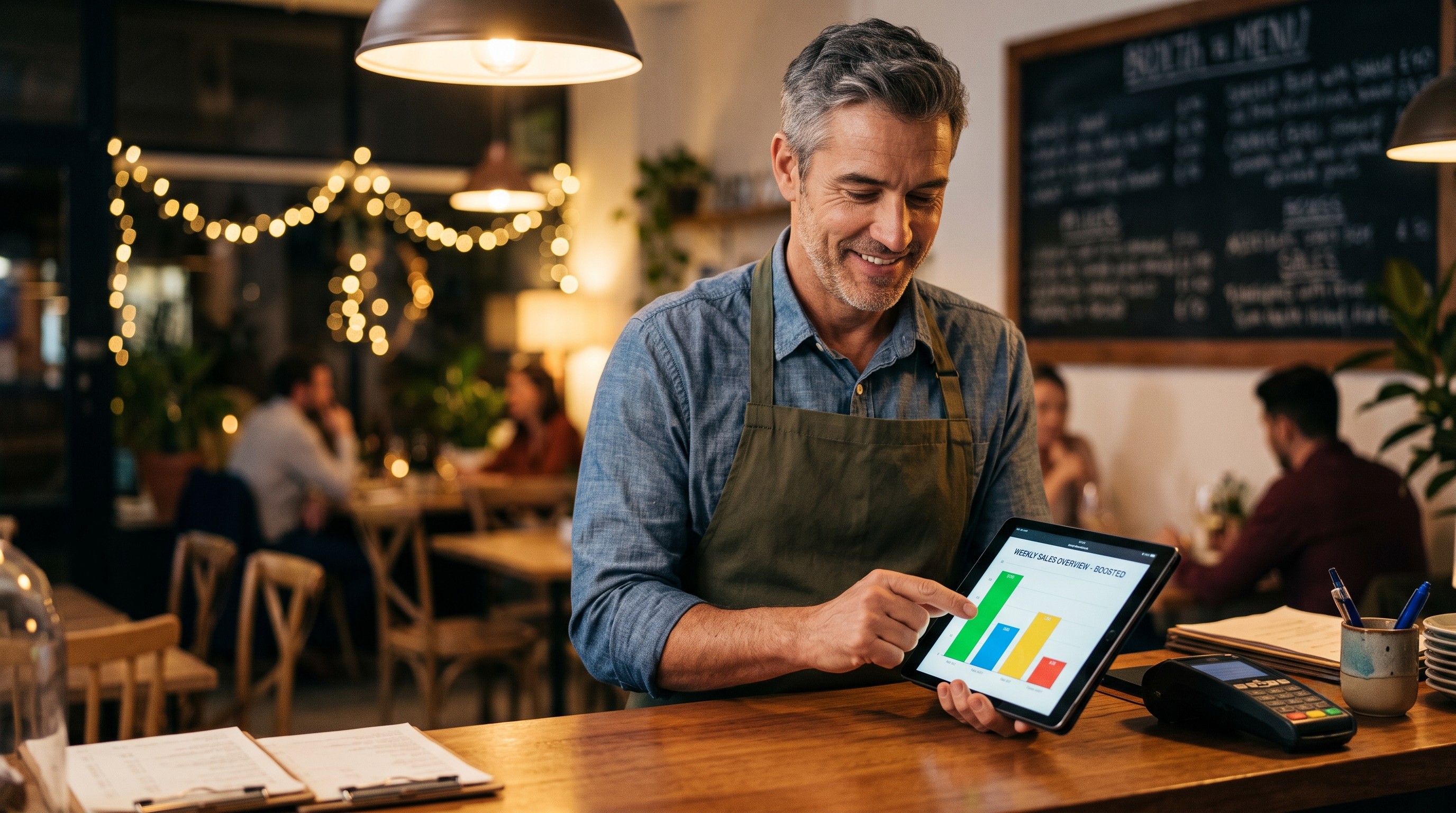
- A daily sales report: so you know from week one which drinks and snacks are actually moving, instead of guessing
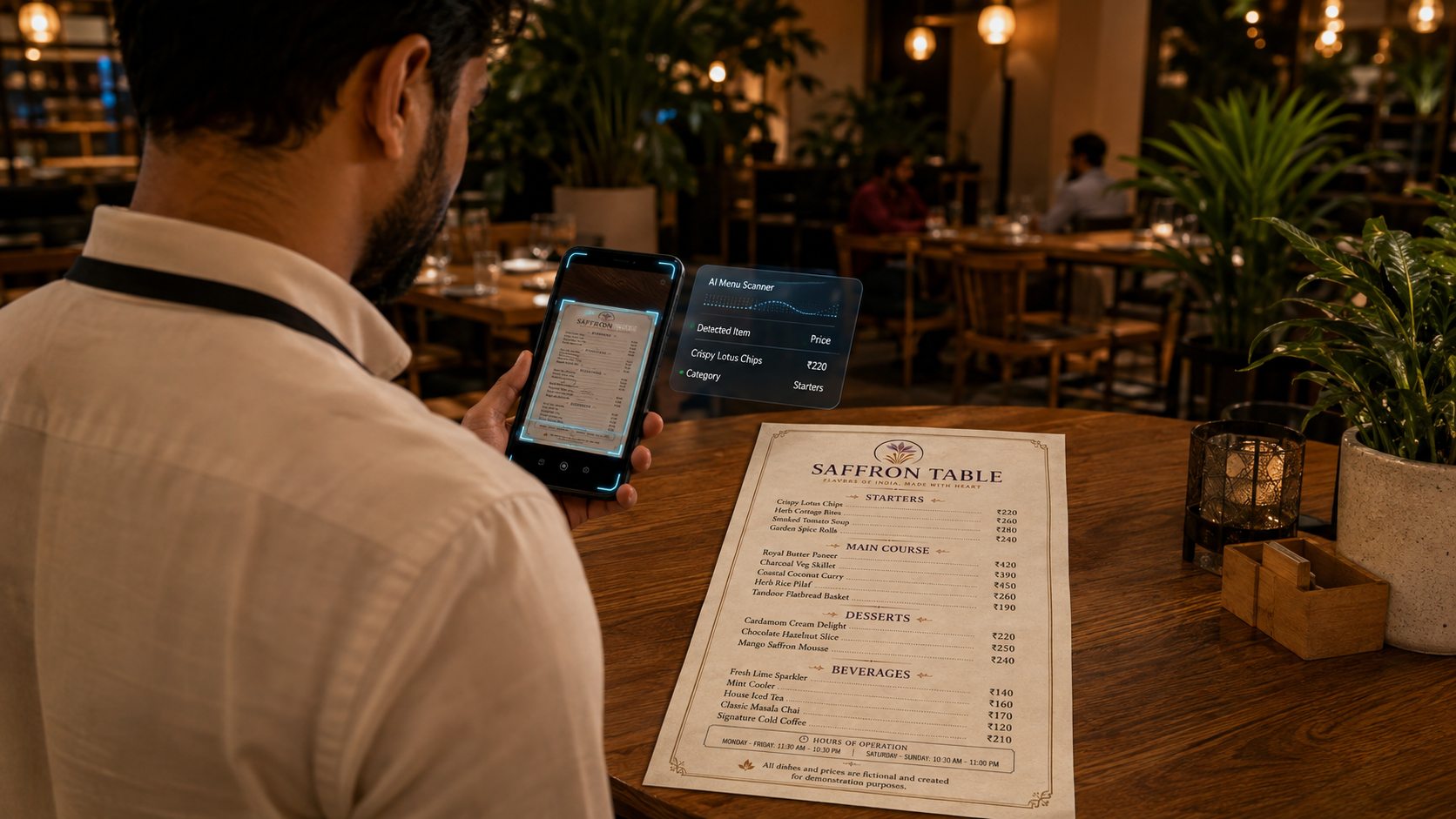
A POS like Shybiz is built to set all of this up in an afternoon, menu entry (including AI photo-scan of your printed menu card, which fills in your item list in under a minute instead of manual typing), GST billing, KOT routing, and a digital QR menu, all from one system, on a plan that fits a single-outlet cafe budget.
Step 6: Hire Small and Train Well
Most 15–20 seat cafes run comfortably with 1 barista, 1 kitchen helper, and 1–2 service staff on a shift. Cross-train everyone on the billing system early, a staff member who can confidently take an order, print a KOT, and close a bill is worth more than someone who only knows one station.
Step 7: Soft Launch Before the Big Launch
Run a quiet soft-launch week before any big marketing push. This surfaces menu execution issues, billing hiccups, and service bottlenecks while the stakes are still low. Once things run smoothly, list your cafe on Zomato/Swiggy, get your Google Business listing live, and share your digital menu QR on Instagram.
Common Mistakes to Avoid
- Overspending on interiors and underspending on working capital, you need cash to survive the slow first 60–90 days
- An oversized menu that the kitchen cannot execute consistently
- Delaying GST/billing setup until "things get busy" by then the bad habits (and messy records) are already in place
- Ignoring seating comfort and Wi-Fi for a cafe, ambience is half the product
Bottom Line
A cafe is one of the most achievable food businesses to start in India, smaller capital, faster execution, and a loyal-regulars business model. Get your licenses right, keep the menu tight, budget realistically, and set up proper billing and reporting from day one. The cafes that survive past year one are rarely the ones with the fanciest interiors, they are the ones that ran tight, compliant, well-tracked operations from the very first cup of coffee they sold.