Why Checking Your Sales Report Daily Can Save Your Business

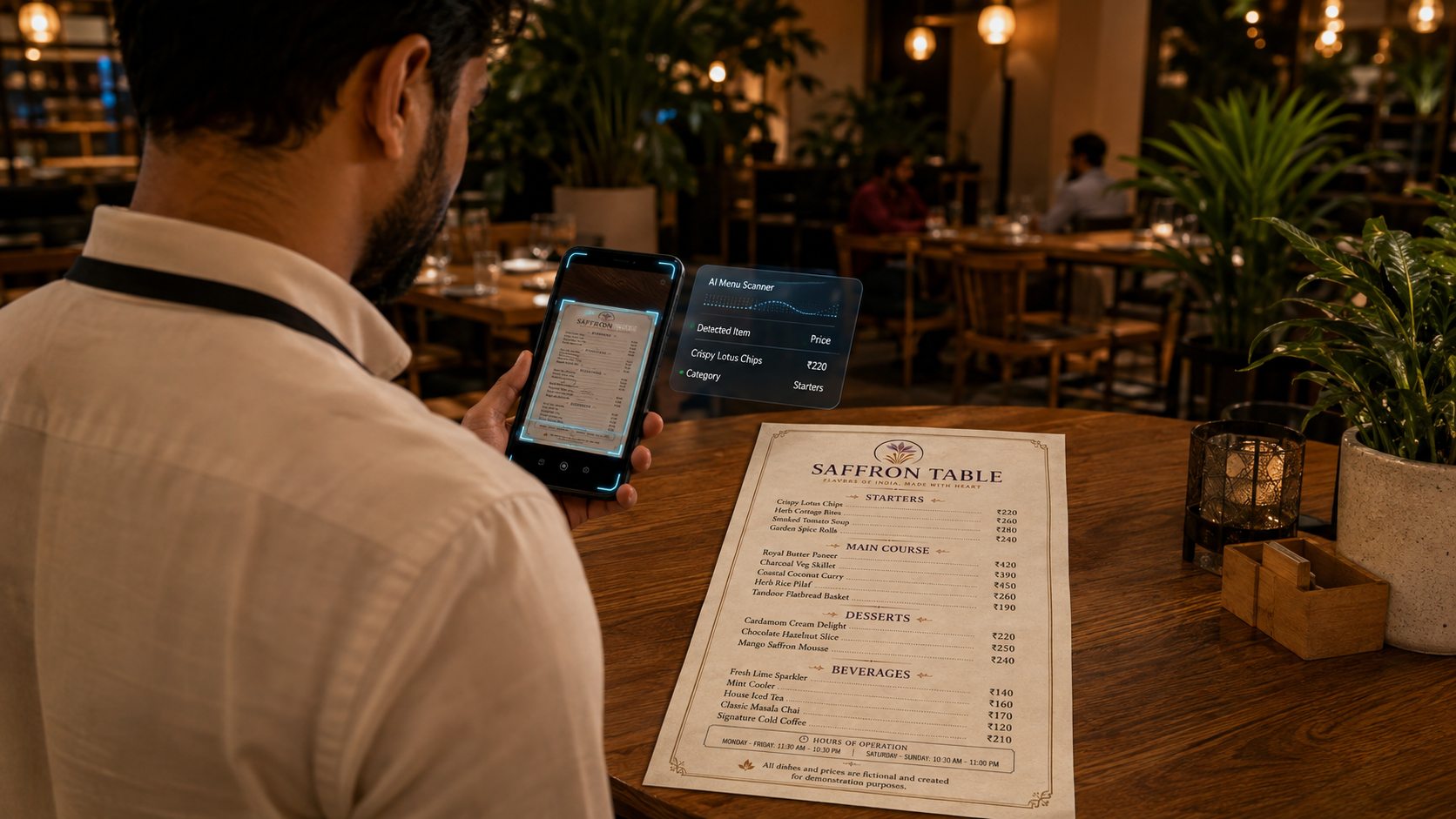
A restaurant owner in Chennai once described his weekly routine like this: "The place is full every evening, the kitchen never stops, and I still cannot tell you if last month was better or worse than the one before." He was not being careless - he was simply running the business on gut feel, the way most small business owners do, because a "busy" shop feels like a successful one.
The problem is, busy and profitable are not the same thing. And the only way to actually know which one you are running is to look at your sales report - not once a quarter, but as a regular habit.
What Your Sales Report Actually Tells You
A proper sales report is not just a single revenue number. Broken down correctly, it answers questions that "feel" cannot:
- Revenue trend - is this week actually better than last week, or does it just feel that way because it was more chaotic?
- Best and worst sellers - which items are carrying your revenue, and which ones are sitting on the menu doing nothing?
- Discount leakage - how much of your gross sales is disappearing into discounts, and is that intentional or a habit that crept in?
- GST breakup - is your tax collection matching what you will actually owe at filing time?
- Growth over time - comparing this month to last month, or this quarter to the same quarter last year
Gross vs. Net - Know the Difference
One thing that trips up a lot of owners: the total on your bills is not the same as your true item-level revenue. A proper sales report separates the two:
- Gross revenue - what each item would have earned at full price, before any discount
- Net revenue - what you actually collected, after item-level and invoice-level discounts and round-off are applied
The gap between gross and net is your discount cost - and it is worth watching closely. A 5% "small" discount habit across every bill, applied without really tracking it, can quietly eat a meaningful chunk of a month's profit.
What This Looks Like in Practice
Say your restaurant does ₹3,00,000 in monthly revenue. A sales report that breaks discounts out separately might show you are running closer to 8% average discount instead of the 3–4% you assumed - because a few staff members have been a little too generous with "adjustments" at the counter. That is ₹24,000 a month, not ₹9,000–12,000, quietly leaving through a gap you would never notice just by glancing at the till at closing time.
On the flip side, the same report might show that your top 5 menu items generate 60% of your revenue - which tells you exactly where to focus your marketing, your quality control, and your ingredient stock planning, instead of spreading effort evenly across a 60-item menu.
Item-Level Reports Change How You Run the Menu
A report that only shows total daily revenue tells you almost nothing actionable. An item-level report - showing which specific dishes or products sold, in what quantity, at what margin - tells you what to do next:
- Which slow-moving items to drop from the menu (they are tying up inventory and kitchen prep time for almost no return)
- Which high-margin items to actively push through staff recommendations or combos
- Which items need a price correction because ingredient costs have risen since you last checked
It Also Helps You Catch Problems Early
An unusual pattern in your sales or discount report - a sudden spike in voids, an item that stopped selling overnight for no obvious reason, a shift where revenue does not match footfall - is often the first sign of something worth investigating, whether that is a pricing mistake, a supply issue, or something less innocent happening at the counter.
Build It Into a 10-Minute Daily Habit
You do not need to become a data analyst. Owners who stay on top of their numbers usually do one simple thing: spend 10 minutes each morning looking at yesterday's sales report - total revenue, top items, and the discount total. That is enough to catch most problems while they are still small, and to make decisions (what to push, what to drop, what to price differently) based on what actually happened, not what it felt like from behind the counter.
ShyBiz's sales report is built for exactly this - a date-filtered view with both the summary totals and the full item-level breakdown, plus an Excel export if you need to dig deeper or share it with your accountant.
Bottom Line
A full dining room or a steady stream of customers is a good sign, but it is not the same as knowing your business is healthy. The sales report is the one place where "feels busy" turns into real numbers - revenue, margin, discounts, and trends you can actually act on. Make checking it a daily habit, and you will catch the small leaks long before they become the reason a good-looking business quietly stops making money.